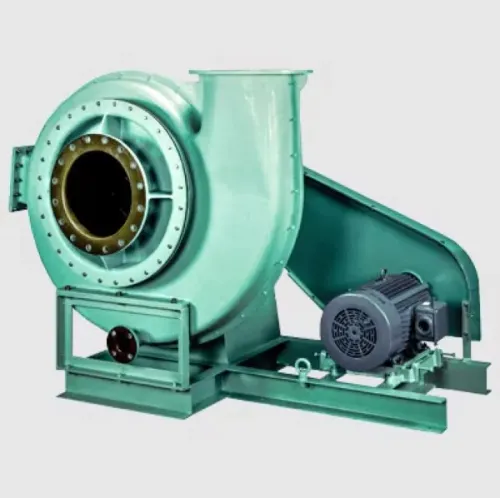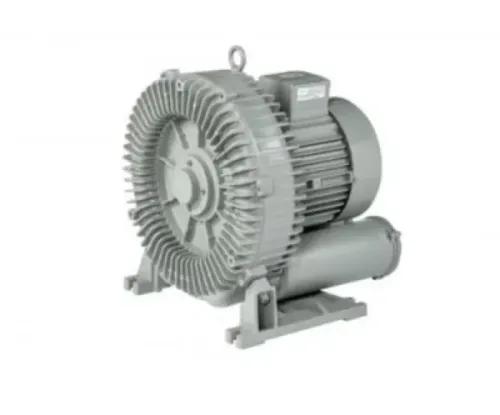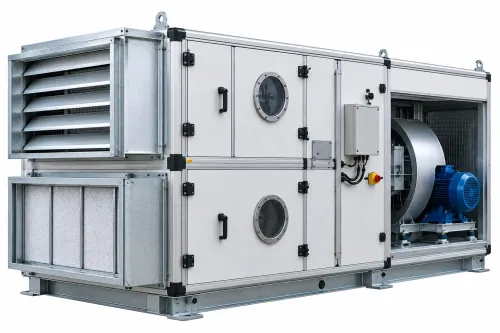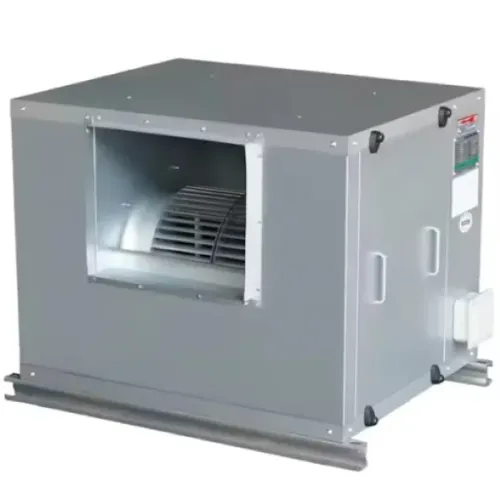
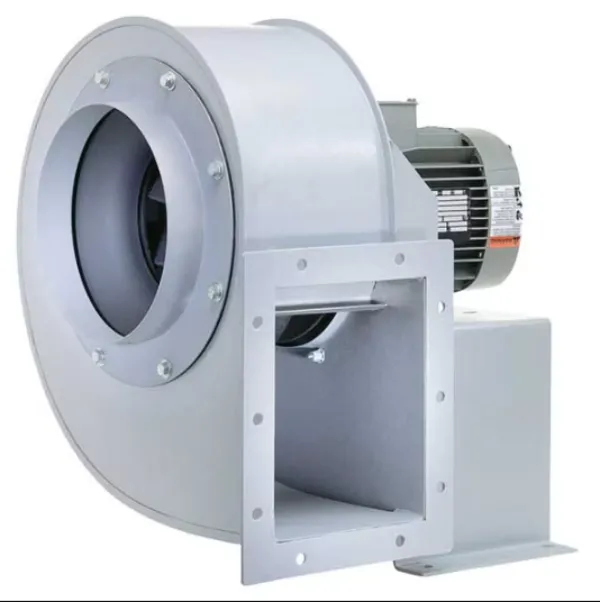
Not every industrial airflow requirement can be handled effectively by a standard ventilation fan. Certain processes involve long duct runs, restrictive filters, compact pipelines, concentrated air delivery, or equipment that creates considerable resistance. In these situations, High Pressure Blowers can provide the pressure needed to keep air moving through the system.
The key distinction is pressure capability. High airflow alone does not necessarily mean that a blower can overcome substantial resistance. Industrial buyers therefore need to consider both air volume and pressure when evaluating equipment.
What Creates a High Pressure Requirement?
Air loses pressure as it travels through an industrial system. Resistance can increase because of:
- Long ducting
- Multiple bends and elbows
- Filters
- Dampers
- Narrow passages
- Process equipment
- Cyclones or separators
- Changes in duct diameter
The greater the total resistance, the more pressure the blower may need to generate to maintain the desired airflow.
This is why selecting a blower only according to motor horsepower can produce disappointing results. Motor rating is only one element of overall blower performance.
Applications Where Higher Pressure Can Be Useful
Depending on the design, high pressure blower systems can support applications involving process air, drying, cooling, pneumatic operations, combustion air, extraction, and other industrial airflow requirements.
A manufacturing plant with a short, open ventilation path will have very different requirements from a production line where air must travel through restrictive equipment.
Industrial facilities across Delhi and neighbouring Delhi NCR manufacturing areas often have space constraints that influence duct routing. When ducts require additional bends or longer paths, system resistance becomes particularly important during equipment planning.
Understanding the Performance Curve
A blower performance curve helps show how airflow changes as pressure changes. Generally, airflow capability is not constant at every pressure level.
The operating point should correspond to the resistance of the actual system. If this calculation is overlooked, a blower that appears powerful in a catalogue may not provide the required performance after installation.
Questions to Answer Before Selection
Before ordering a high pressure unit, establish:
- How much air must be moved?
- What pressure is required at the operating point?
- Is the air clean or particle-laden?
- What is the operating temperature?
- How many hours will the blower operate?
- Are noise and vibration important considerations?
- How much installation space is available?
These answers help manufacturers determine an appropriate configuration, construction material, impeller arrangement, motor rating, and drive system.
Sys Enterprises serves industrial airflow requirements where blower specifications can vary according to the application. Buyers considering High Pressure Blowers in Delhi benefit from sharing complete operating data instead of requesting equipment only by approximate capacity.
A correctly selected blower should overcome the resistance of the intended system while delivering the required airflow at its actual operating condition. That balance is what makes pressure calculations essential to industrial blower selection.
Keywords