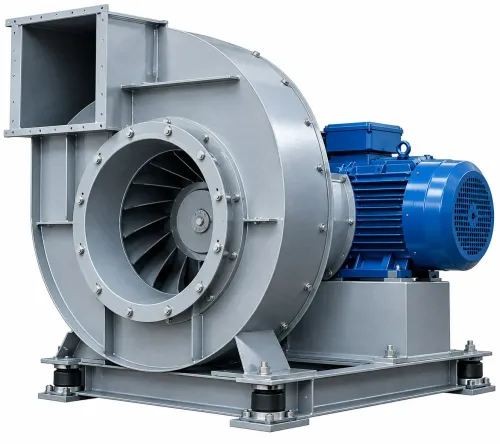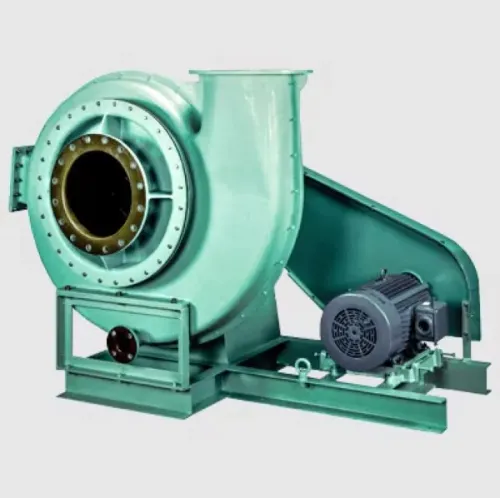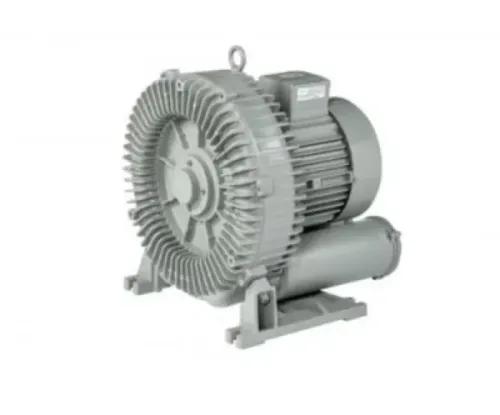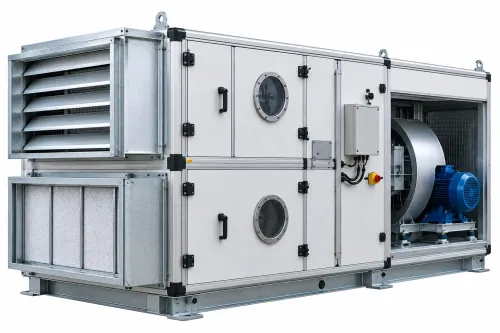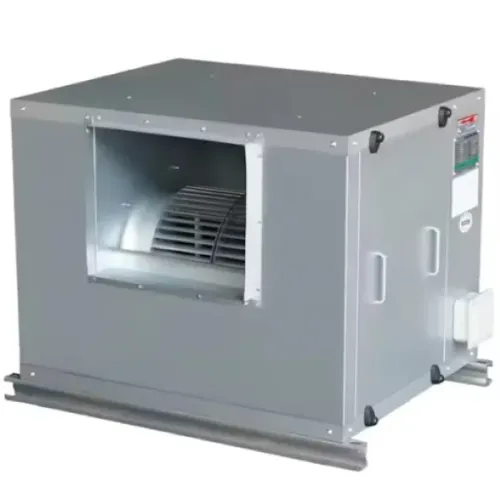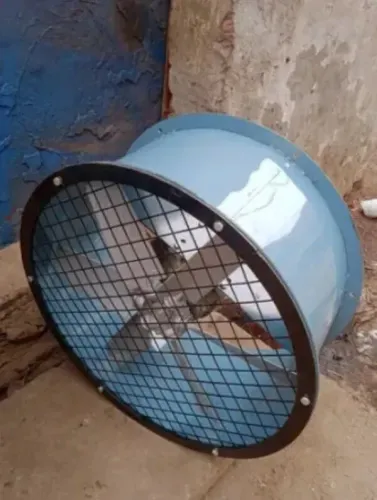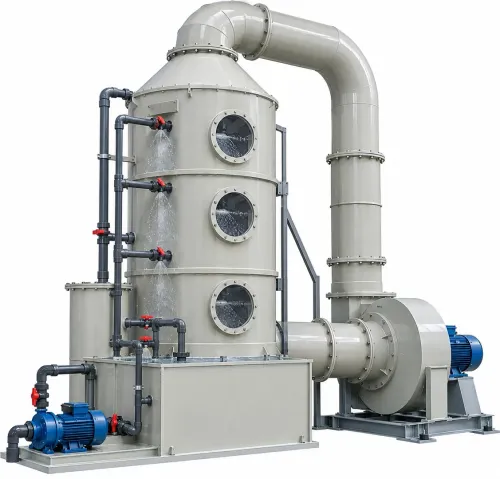
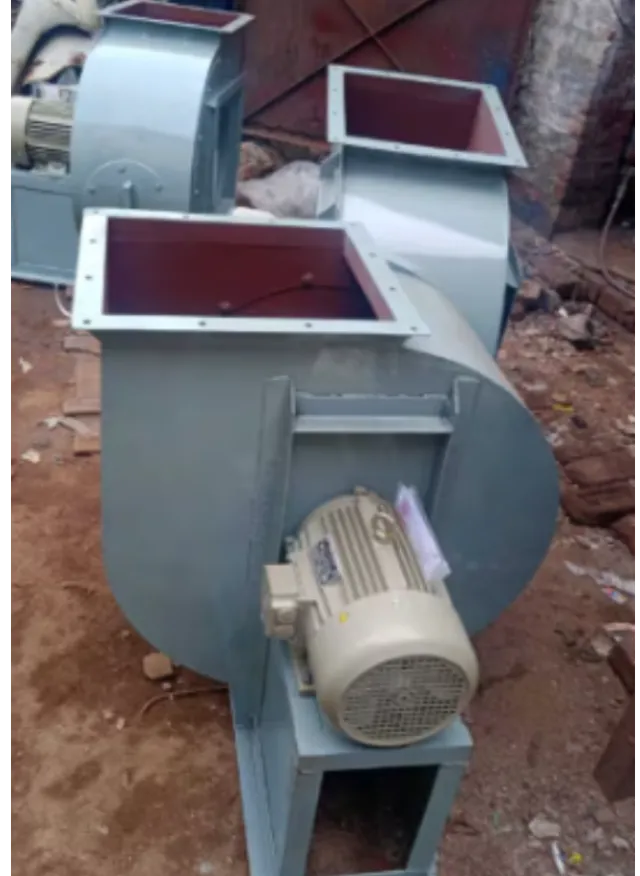
Continuous industrial operations place demanding requirements on air-moving equipment. Where a blower is expected to operate for extended periods or support critical production processes, the drive arrangement deserves careful attention. Coupling Type Blowers provide a configuration in which the motor and blower shaft are connected through a coupling rather than a conventional belt transmission.
For the right application, this arrangement can offer a practical combination of direct power transmission and heavy-duty construction.
Understanding the Coupling Arrangement
In a coupling type system, the motor and blower have separate shafts connected through an engineered coupling.
This differs from a belt drive, where power is transmitted using pulleys and belts. It also differs from certain direct-mounted designs where the impeller may be fitted directly to the motor shaft.
The coupling needs appropriate alignment because the motor and blower shaft operate together as a power-transmission system.
Applications That May Benefit
Coupling arrangements can be considered for applications involving:
- Industrial exhaust
- Process ventilation
- Boiler systems
- Furnace applications
- High-capacity air movement
- Continuous manufacturing processes
- Heavy-duty ventilation requirements
The exact suitability depends on speed, load, airflow, pressure, temperature, shaft design, and operating conditions.
Coupling Type Versus Belt Drive
A belt drive provides flexibility through pulley ratios and makes mechanical speed changes comparatively straightforward. It also introduces components that require routine tension checks and replacement.
A coupling arrangement eliminates belts and pulleys from the transmission path. However, correct shaft alignment becomes particularly important.
Neither design should be selected simply because it appears more robust. The operating point and maintenance strategy need to support the chosen arrangement.
What Should Procurement Teams Ask?
Before placing an order, clarify:
- Required airflow
- Required static pressure
- Operating temperature
- Motor rating
- Blower speed
- Expected daily operating hours
- Nature of the air or gas
- Installation orientation
- Foundation and mounting conditions
- Maintenance accessibility
These details allow the manufacturer to evaluate both aerodynamic and mechanical requirements.
For production facilities in Delhi and the broader NCR industrial belt, equipment may be expected to operate across long shifts. In such applications, shaft alignment, bearing selection, balancing, foundation quality, and vibration management deserve careful consideration.
Assess the Complete Equipment Package
Sys Enterprises works with industrial blower configurations intended for different operating requirements. Buyers evaluating Coupling Type Blowers in Delhi should compare complete technical specifications rather than focusing only on the coupling itself.
The impeller, casing, shaft, bearings, motor, base frame, and connection arrangement all contribute to the equipment's overall performance.
A coupling type blower makes the most sense when its mechanical configuration aligns with the duty cycle, required performance, installation arrangement, and maintenance capabilities of the facility.
Keywords