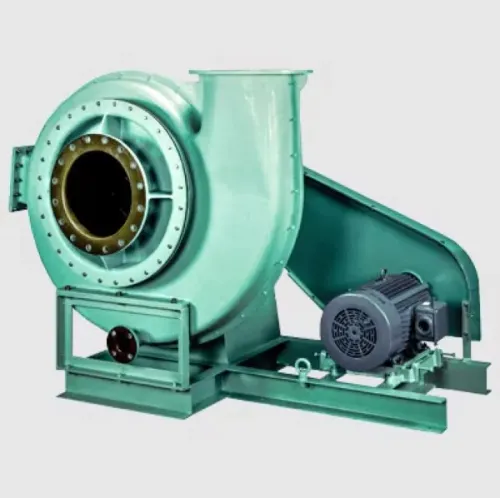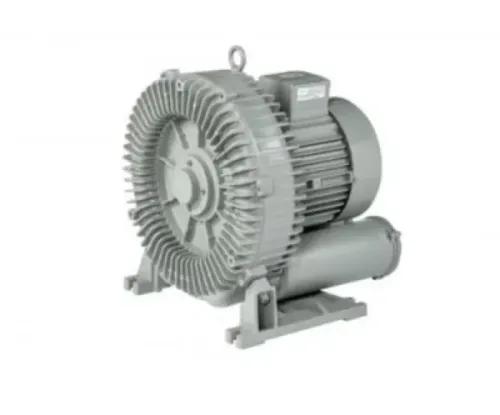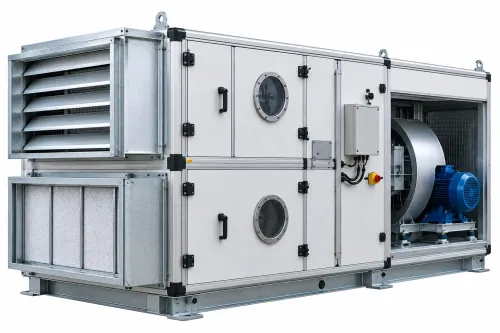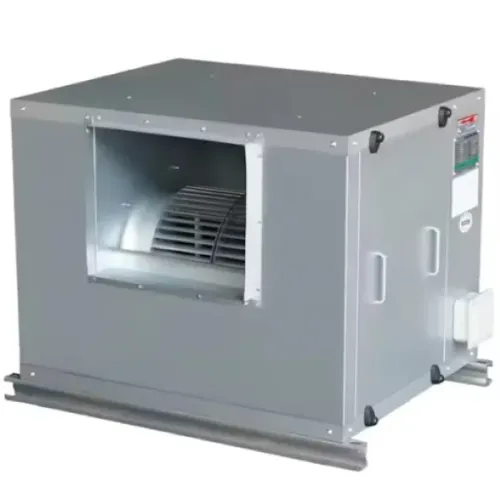
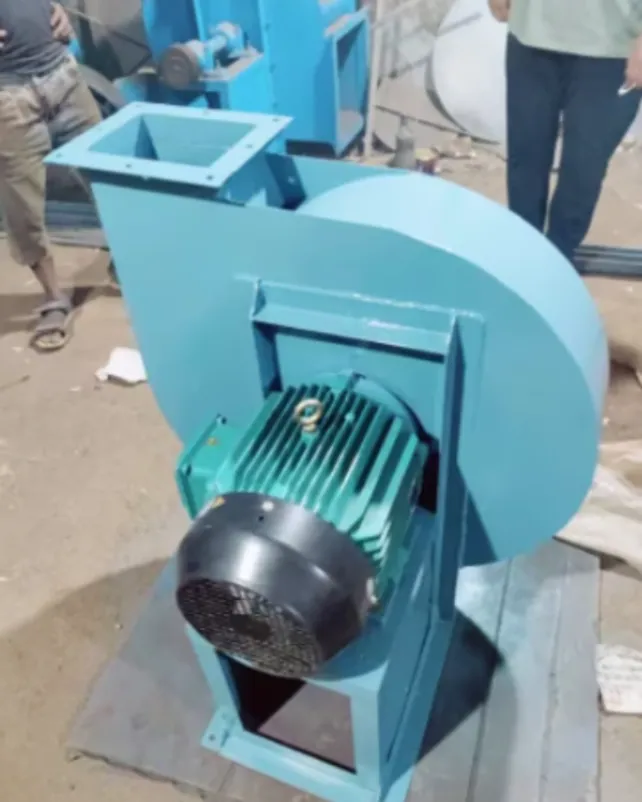
Many industrial processes require a continuous and controlled supply of air. Boilers need combustion air, manufacturing processes may require forced ventilation, and production equipment can depend on a specific airflow rate to operate efficiently. FD Blowers are designed for these applications by supplying air under positive pressure.
FD stands for forced draft. Unlike induced draft equipment that draws gases out of a system, an FD blower pushes air into a process or enclosed system. This basic difference makes it particularly useful wherever a reliable supply of fresh or combustion air is required.
How FD Blowers Function
An FD blower draws atmospheric air through its inlet and increases its pressure using a rotating impeller. The pressurised air is then delivered through ducting to the required process.
The exact airflow depends on factors such as:
- Impeller diameter and design
- Rotational speed
- Motor capacity
- System resistance
- Duct dimensions
- Required air volume
- Required static pressure
Correctly matching these variables is important because industrial airflow requirements can vary considerably between applications.
Common Industrial Applications
FD blowers can be found in several types of facilities, including:
- Boilers and combustion systems
- Furnaces and ovens
- Manufacturing plants
- Drying processes
- Ventilation installations
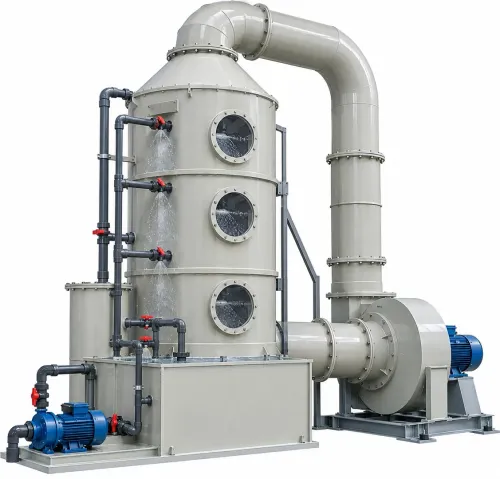
- Air pollution control systems
- Process air supply arrangements
Delhi has a diverse industrial ecosystem extending into major manufacturing clusters across the National Capital Region. Facilities in such environments may have very different airflow requirements depending on production processes, building configuration, equipment layout, and operating hours.
FD Blower and ID Blower Are Not the Same
Although both belong to the industrial blower category, their roles are different.
An FD blower primarily pushes air into a system, creating positive pressure. An ID blower primarily draws gases out, producing negative pressure.
Some industrial systems use both. A boiler installation, for example, may require forced air for combustion while simultaneously using induced draft equipment to remove flue gases.
Understanding this distinction prevents one of the most common mistakes during blower selection: choosing equipment based only on airflow capacity without considering what the blower is expected to accomplish.
What Determines Suitable Performance?
The correct blower should be selected according to actual system resistance and process demand rather than a generic capacity figure.
Engineers and procurement teams should establish the required cubic airflow, pressure, operating temperature, motor characteristics, duty cycle, and installation conditions before finalizing specifications.
Maintenance access also deserves consideration. Bearings, motors, belts where applicable, impellers, and inlet or outlet connections should remain reasonably accessible for routine inspection.
For industries evaluating FD Blowers in Delhi, these technical factors provide a better foundation for equipment selection than focusing on price alone.
Sys Enterprises manufactures industrial air-handling equipment for applications where controlled airflow is required. Understanding the process first makes it easier to determine whether an FD blower and its particular configuration are suitable for the intended industrial system.
Keywords