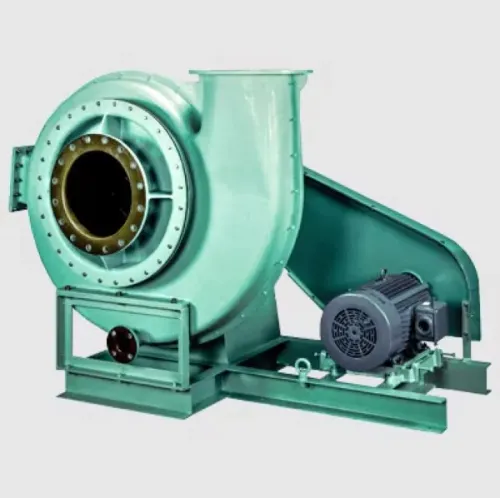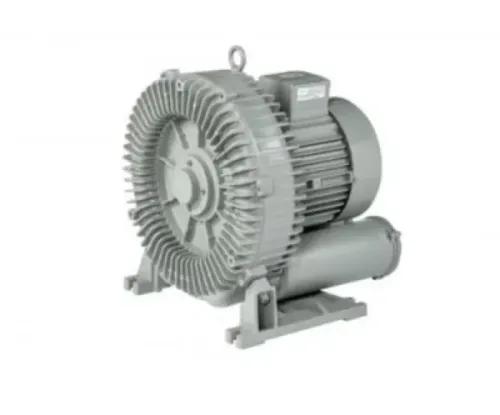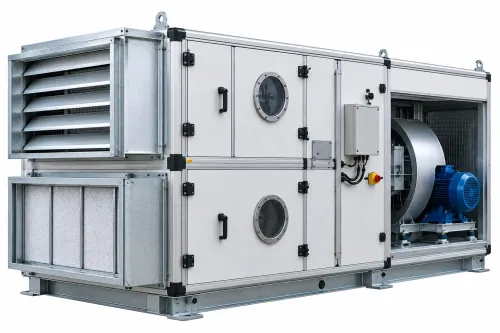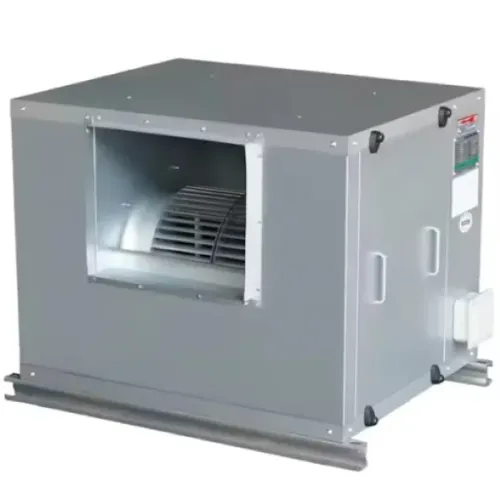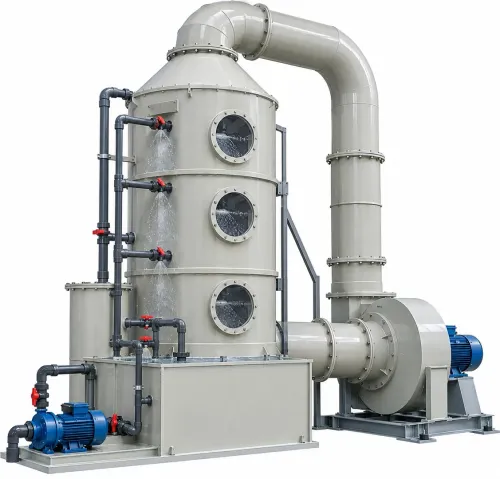
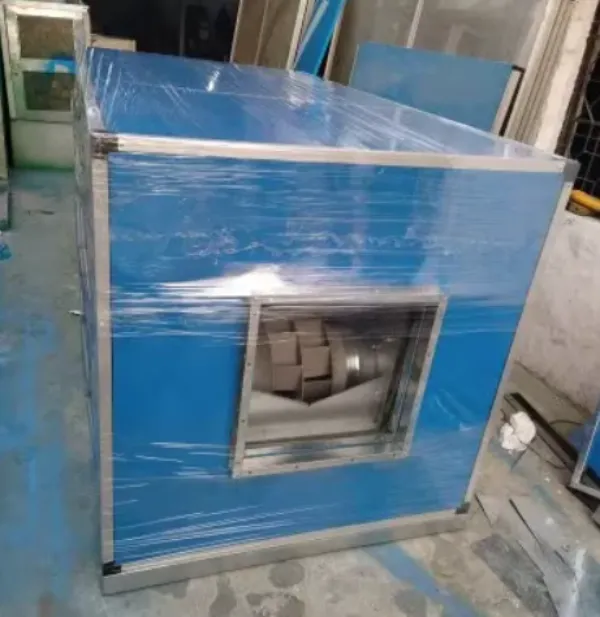
Industrial manufacturing often generates dust, fumes, gases, and airborne particles that need to be treated before being released into the atmosphere. A Wet Scrubber is one of the most effective air pollution control systems for removing contaminants from exhaust gases while helping industries maintain cleaner operations and comply with environmental regulations.
Unlike dry filtration systems, wet scrubbers use water or another suitable scrubbing liquid to capture pollutants. As contaminated air passes through the system, particles and harmful gases come into contact with the liquid, making them easier to remove before clean air is discharged.
Industries That Commonly Use Wet Scrubbers
Wet scrubbers are widely installed in industries such as:
- Chemical manufacturing
- Pharmaceutical production
- Metal processing
- Fertilizer plants
- Food processing
- Paint and coating industries
- Textile manufacturing
- Waste treatment facilities
Many manufacturing units across Delhi and the NCR rely on air pollution control systems to support safer working conditions and meet operational standards.
What Pollutants Can Wet Scrubbers Remove?
Depending on the system design, a wet scrubber can help control:
- Dust particles
- Smoke
- Acidic gases
- Chemical vapours
- Fine particulate matter
- Odours generated during industrial processing
The choice of scrubbing media depends on the type of contaminants produced by the manufacturing process.
Choosing the Right Wet Scrubber
Before selecting equipment, manufacturers should evaluate several important factors:
- Type of pollutant
- Airflow volume
- Operating temperature
- Moisture compatibility
- Pressure drop
- Water consumption
- Maintenance requirements
Every application has different needs, so equipment should be selected based on technical calculations rather than general capacity estimates.
Maintenance Best Practices
Proper maintenance helps ensure efficient pollutant removal and longer equipment life.
Routine servicing should include:
- Inspecting spray nozzles
- Cleaning internal chambers
- Monitoring pump performance
- Checking water circulation
- Removing accumulated sludge
- Inspecting corrosion-resistant components
- Testing system performance periodically
A preventive maintenance schedule can improve reliability while reducing unplanned downtime.
Industrial businesses often consult experienced manufacturers when planning pollution control systems. Sys Enterprises supplies industrial air handling and pollution control equipment for various applications, helping businesses identify systems suited to their production environment and airflow requirements.
As environmental awareness and regulatory expectations continue to grow, installing an appropriate wet scrubber has become an important investment for many industries. The right system supports cleaner emissions, improved workplace safety, and dependable production performance for manufacturing facilities operating in Delhi.
Keywords