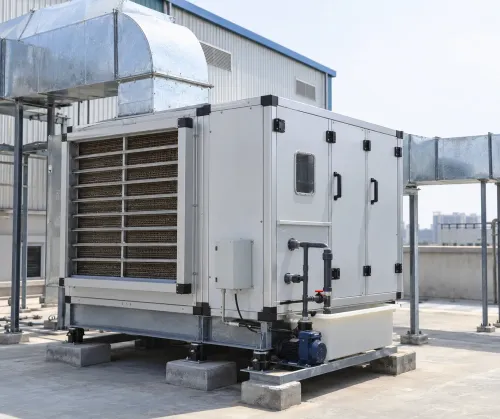


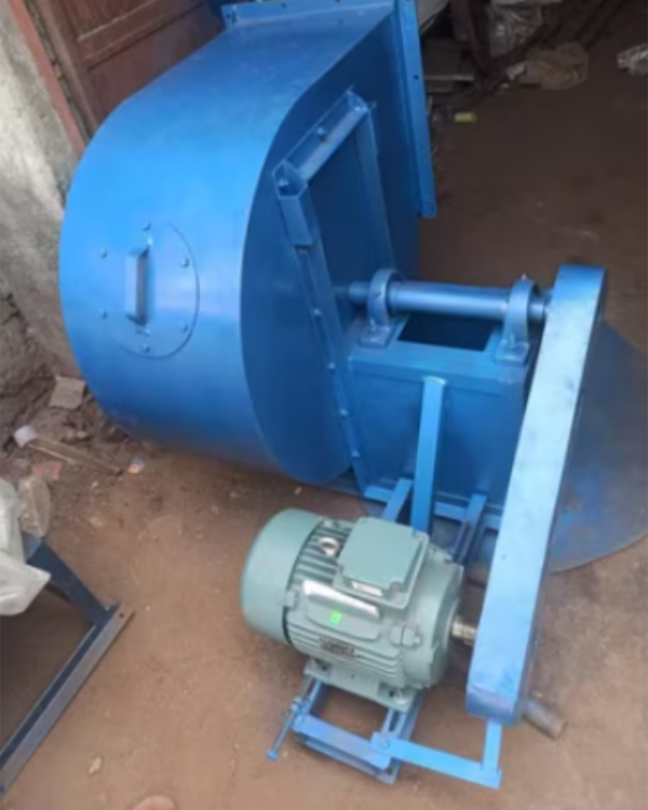
Industrial facilities depend on controlled airflow for far more than keeping indoor spaces comfortable. Manufacturing processes often produce heat, smoke, fumes, dust, combustion gases, and airborne contaminants that must be moved safely and consistently. This is where ID Blowers become an important part of industrial air-handling and process ventilation systems.
An induced draft or ID blower works by creating negative pressure and drawing air or gases through a system. Instead of pushing fresh air into a process, it pulls exhaust gases, hot air, fumes, or contaminated air away from the operating area. This operating principle makes ID blowers useful in manufacturing plants, boilers, furnaces, dust collection systems, and other industrial applications.
Where Are ID Blowers Commonly Used?
The suitability of an ID blower depends on the process and operating conditions. Typical applications include:
- Boiler exhaust systems
- Industrial furnaces
- Dust extraction installations
- Pollution control equipment
- Process ventilation systems
- Hot gas handling
- Manufacturing exhaust arrangements
- Combustion systems
Industrial units in Delhi and the wider Delhi NCR region often operate in environments where ventilation needs to account for limited space, high equipment density, dust generation, and demanding production schedules. Proper blower selection therefore becomes an engineering decision rather than simply a matter of choosing a motor size.
How Does an ID Blower Work?
The blower generates suction on the inlet side. This negative pressure draws air or process gases through connected ducting and equipment before discharging them through the required outlet arrangement.
Performance is influenced by several factors, including airflow volume, static pressure, gas temperature, duct resistance, impeller design, motor rating, and operating duration.
A blower that delivers adequate airflow but insufficient pressure may struggle to overcome system resistance. Similarly, oversizing equipment can lead to unnecessary energy consumption and inefficient operation.
Important Selection Parameters
Before specifying an ID blower, buyers should understand the actual system requirement. Useful parameters include:
- Required airflow capacity
- Static pressure requirement
- Operating temperature
- Nature of the air or gas being handled
- Dust or particulate concentration
- Expected operating hours
- Duct dimensions and layout
- Installation environment
Material selection is equally important. The construction should be appropriate for the temperature, moisture, particles, or potentially corrosive substances present in the airflow.
Why System Design Matters
An ID blower does not operate independently. Duct bends, filters, dampers, pollution-control devices, chimneys, and other components contribute resistance. Ignoring these factors can result in poor suction even when the blower appears adequately sized on paper.
For industrial projects in Delhi, considering the complete airflow path helps establish more realistic performance requirements.
Sys Enterprises works within the industrial air-handling equipment segment, where blower configuration can be selected according to application and installation needs. For buyers evaluating ID Blowers, the useful starting point is a clear understanding of airflow, pressure, temperature, and process conditions.
When these parameters are correctly assessed, an ID blower can support stable exhaust performance, effective process ventilation, and dependable industrial airflow management.