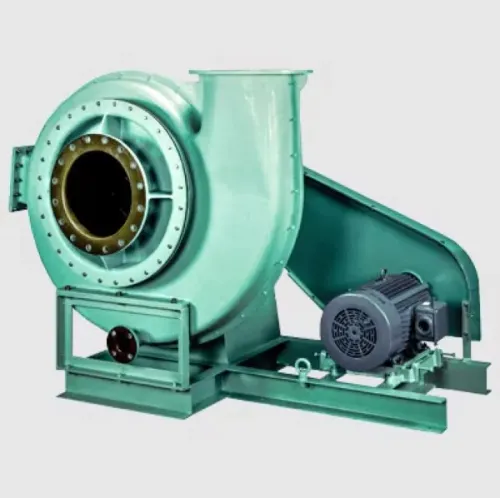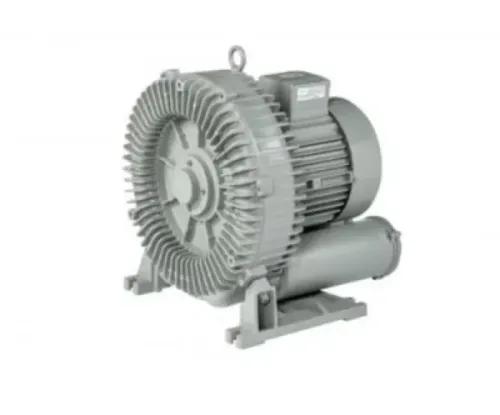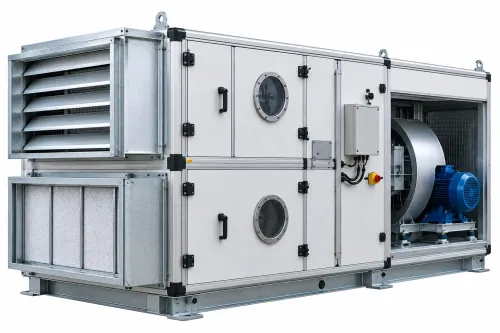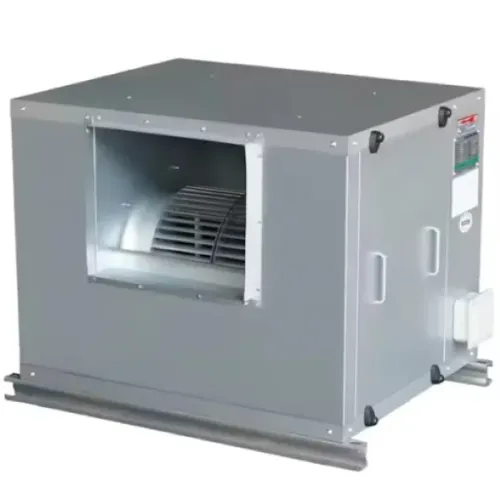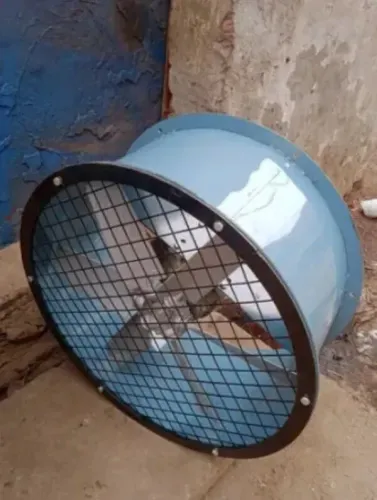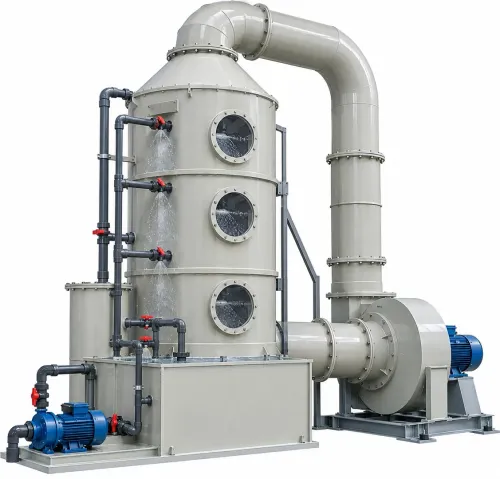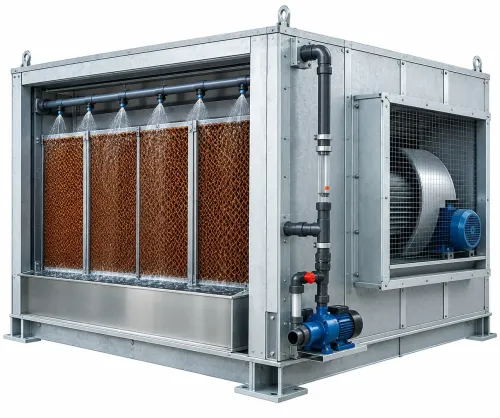
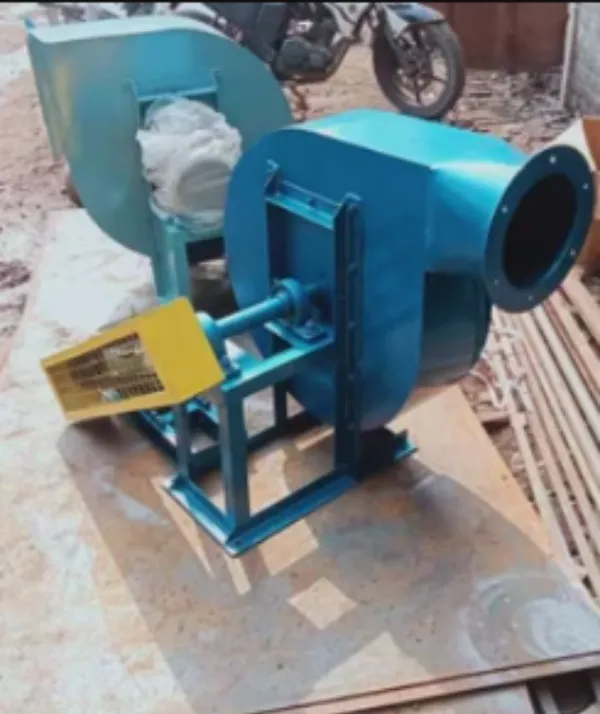
Industrial facilities depend on consistent airflow to maintain productivity, workplace safety, and equipment performance. A centrifugal blower is one of the most widely used air movement systems because it can generate high-pressure airflow suitable for demanding industrial environments. Whether it is used in manufacturing, dust collection, ventilation, or process cooling, choosing the right blower can significantly improve operational efficiency.
Unlike standard ventilation fans, centrifugal blowers use a rotating impeller to increase air pressure before directing it through ducts or processing equipment. This makes them ideal for applications where air must travel long distances or overcome resistance created by filters, bends, or production machinery.
Where Centrifugal Blowers Are Commonly Used
Many industries rely on centrifugal blowers for daily operations, including:
- Chemical manufacturing
- Food processing plants
- Textile industries
- Pharmaceutical facilities
- Cement and steel plants
- Printing and packaging units
- Plastic processing industries
Industrial zones across Delhi and the NCR region often require dependable ventilation systems that can perform efficiently under continuous operating conditions, making centrifugal blowers a practical solution for numerous manufacturing applications.
Benefits of Using a Centrifugal Blower
Selecting the correct blower offers several operational advantages.
- High static pressure capability for complex duct systems
- Reliable airflow in continuous industrial operations
- Better ventilation for enclosed production areas
- Lower maintenance requirements with quality construction
- Compatibility with filtration and pollution control equipment
- Improved workplace air quality
These benefits help manufacturers maintain smoother production while supporting equipment longevity.
Factors to Consider Before Selection
Every industrial process has different airflow requirements. Before selecting a centrifugal blower, it is helpful to evaluate:
- Required airflow volume (CFM)
- Static pressure requirement
- Operating temperature
- Dust or particle concentration
- Material compatibility
- Available installation space
- Energy efficiency requirements
Proper sizing prevents unnecessary power consumption while ensuring stable performance throughout production.
Maintenance Tips for Long-Term Performance
Routine maintenance keeps a blower operating efficiently for years.
Some recommended practices include:
- Inspect impellers for dust accumulation.
- Check bearing lubrication regularly.
- Monitor vibration levels.
- Tighten mounting bolts.
- Clean filters and ducts periodically.
- Replace worn belts before failure.
Preventive maintenance reduces unexpected downtime and supports consistent airflow.
Industrial manufacturers often work with experienced equipment providers during the planning stage to match airflow requirements with suitable blower specifications. Companies such as Sys Enterprises supply centrifugal blowers designed for various industrial applications, helping businesses identify equipment that aligns with their production needs rather than relying on generic solutions.
A properly selected centrifugal blower is more than just an air-moving device. It contributes to better production efficiency, cleaner work environments, and dependable industrial performance. Investing time in understanding airflow requirements before purchasing helps manufacturers achieve long-term operational value while supporting reliable production across facilities in Delhi and surrounding industrial regions.
Keywords