Large buildings often need more than basic air circulation. Factories, warehouses, institutional buildings, commercial facilities, and production environments may need a continuous supply of filtered air along with practical control over indoor temperature and air quality. Airwashers are used in many such applications as part of an engineered air-handling arrangement.
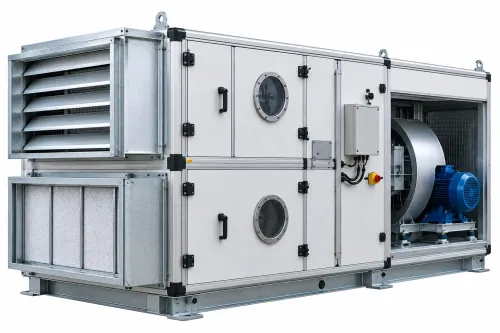
An airwasher generally draws outside air into a unit, filters or washes it, and supplies conditioned air to the required indoor area. Depending on the design and climate conditions, the system can also use evaporative cooling to reduce incoming air temperature.
What Happens Inside an Airwasher?
Although configurations vary, the process typically involves several stages.
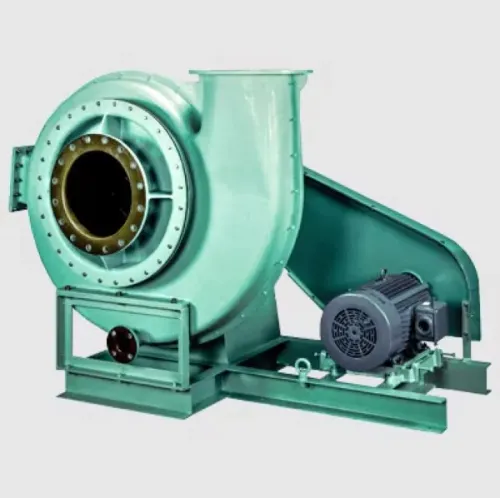
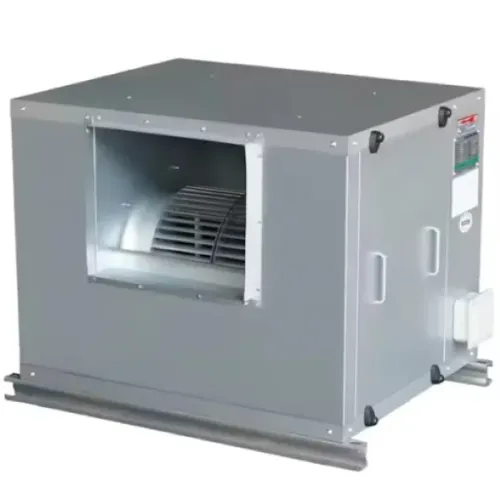
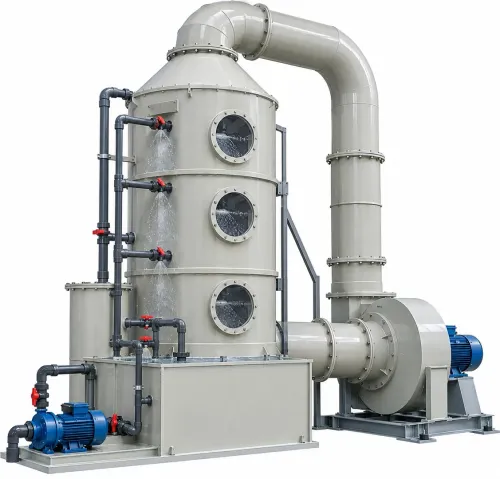
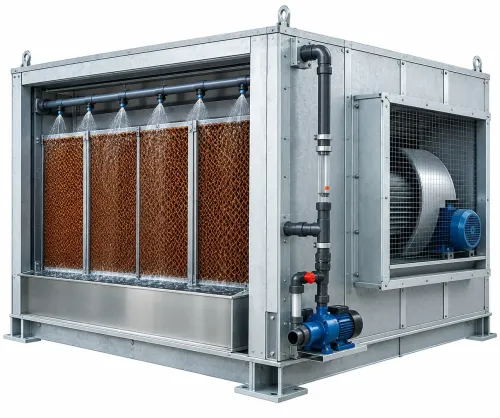
Outside air first enters the unit and passes through filtration or air-cleaning sections. Water-based media or spray arrangements may then help remove airborne particles and provide evaporative cooling. A blower moves the treated air through ducts or directly into the designated space.
The result is a continuous movement of fresh air rather than repeated circulation of the same indoor air.
Where Can Airwashers Be Used?
Applications can include:
- Manufacturing floors
- Warehouses
- Workshops
- Assembly areas
- Commercial facilities
- Institutional buildings
- Industrial production areas
- Large enclosed workspaces
Delhi experiences substantial seasonal variation, with very hot summers, monsoon humidity, and cooler winter conditions. An airwasher therefore needs to be evaluated according to the actual operating environment rather than assuming identical performance throughout the year.
Evaporative cooling performance, in particular, is influenced by ambient temperature and humidity.
Airwasher Capacity Is Only Part of the Decision
One common planning mistake is focusing entirely on the nominal capacity of the unit.
The effectiveness of an air-handling installation can also depend on:
- Building volume
- Required air changes
- Occupancy
- Internal heat load
- Fresh-air requirement
- Duct resistance
- Air distribution layout
- Filtration requirements
- Exhaust arrangement
Fresh air must be distributed effectively throughout the intended area. Poor duct design or unsuitable outlet placement can create areas with excessive airflow while leaving other sections inadequately ventilated.
Maintenance Should Be Considered Early
Water systems, filters, media, nozzles, drain arrangements, fans, and motors require periodic attention. Providing sufficient access during installation can make routine maintenance considerably easier.
Water quality should also be considered because mineral buildup can affect wet sections over time.
For facilities considering Airwashers in Delhi, the right approach is to evaluate the entire ventilation requirement, including incoming air, distribution, exhaust, heat load, and seasonal conditions.
Sys Enterprises operates in the industrial air-handling equipment sector and provides solutions for varied ventilation requirements. A properly planned airwasher installation can support fresh-air circulation and practical environmental management across large industrial and commercial spaces.
Keywords