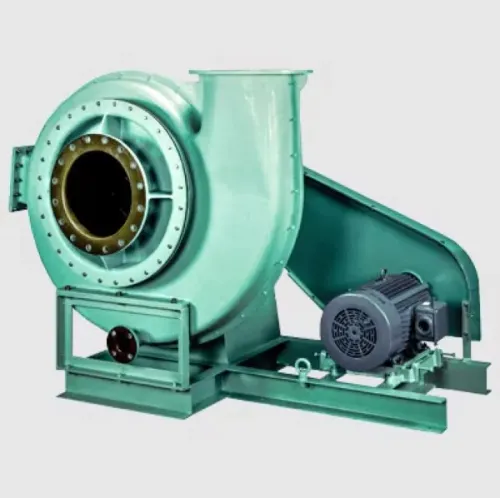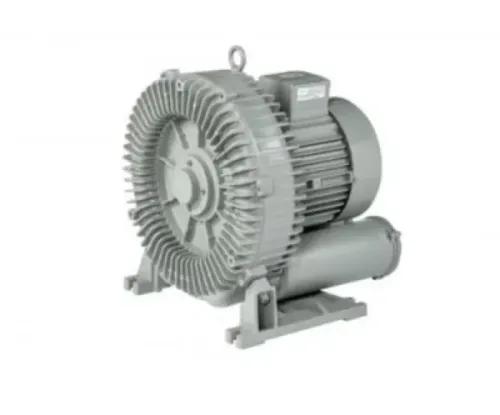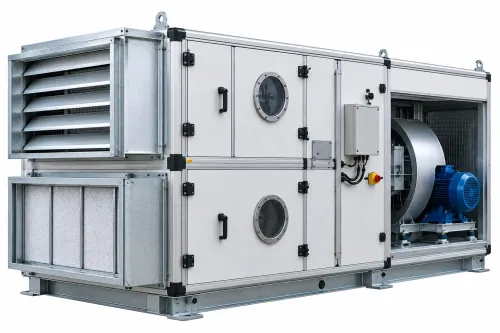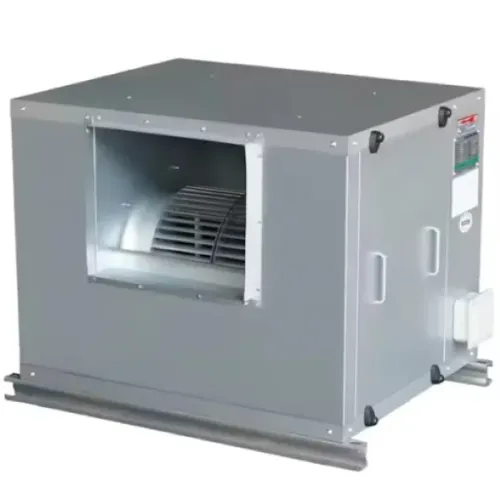
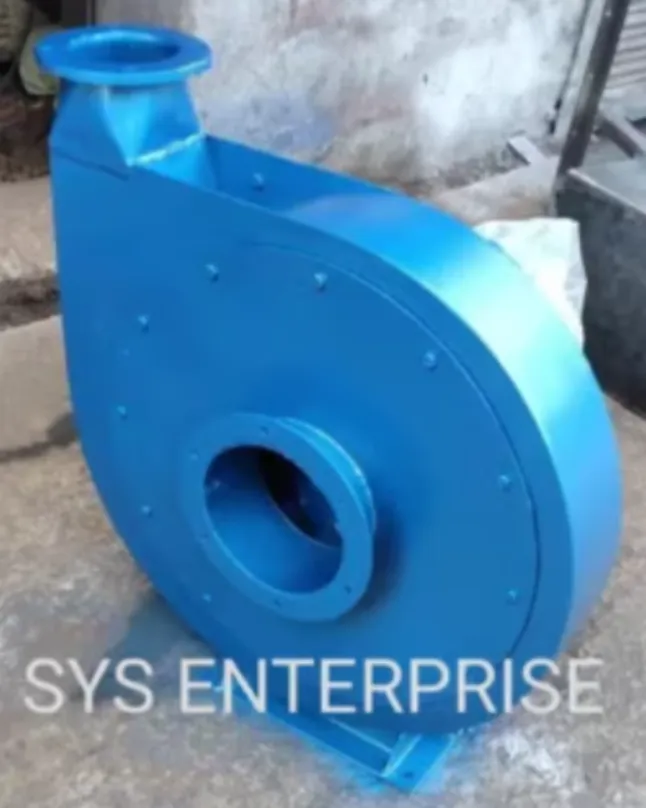
Not every industrial process can rely on standard ventilation equipment. Applications involving pneumatic conveying, combustion support, drying systems, or material handling often require air to move against significant resistance. This is where a High Pressure Blower becomes an essential part of the production process.
Unlike conventional blowers that prioritize airflow volume, high pressure blowers are engineered to generate greater air pressure while maintaining consistent performance. They are commonly used where long duct runs, filters, or specialized equipment create resistance that ordinary fans cannot overcome efficiently.
Where High Pressure Blowers Are Used
Industries across Delhi and the NCR use high pressure blowers in a wide variety of operations, including:
- Pneumatic conveying systems
- Industrial drying plants
- Dust collection units
- Plastic processing
- Chemical manufacturing
- Textile production
- Food processing
- Printing and packaging industries
Their ability to deliver stable airflow under demanding conditions makes them suitable for continuous industrial operations.
How to Know if Your Process Needs One
A high pressure blower is often recommended when a production system experiences:
- Reduced airflow because of long ducting
- Frequent clogging due to dust-heavy operations
- Air leakage affecting production efficiency
- Poor drying performance
- Pressure loss across filtration systems
- Uneven air distribution
Conducting a technical assessment of airflow requirements before purchasing equipment helps prevent performance issues later.
Important Factors Before Buying
When comparing different models, buyers should evaluate:
- Required operating pressure
- Airflow capacity
- Motor rating
- Noise level
- Energy consumption
- Material compatibility
- Ease of maintenance
- Available installation space
Selecting equipment based only on motor size can result in higher operating costs or insufficient airflow. Matching technical specifications with process requirements is a more reliable approach.
Maintenance Practices That Improve Performance
Routine servicing extends equipment life and reduces unexpected breakdowns. Good maintenance includes:
- Cleaning the impeller regularly
- Checking bearing condition
- Inspecting shaft alignment
- Monitoring vibration levels
- Ensuring proper lubrication
- Examining electrical connections
- Replacing worn components before failure
Many manufacturers also schedule periodic performance testing to identify airflow changes before they affect production.
Industrial buyers often work with experienced manufacturers during equipment selection to ensure proper sizing and system compatibility. Sys Enterprises supplies industrial blowers for different manufacturing environments, supporting customers with solutions that align with specific airflow and pressure requirements.
A properly selected high pressure blower can improve production efficiency, reduce energy waste, and deliver dependable performance across demanding industrial applications. For manufacturers operating in Delhi, choosing equipment designed for the intended process can contribute to smoother operations and long-term reliability.
Keywords