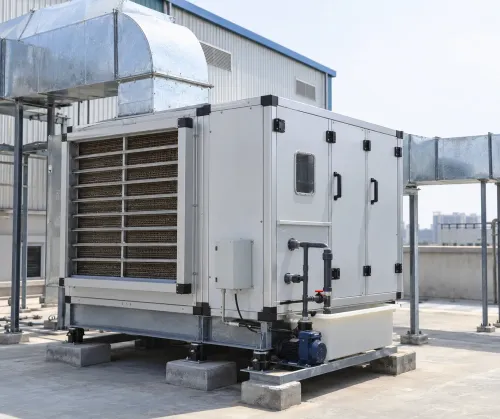


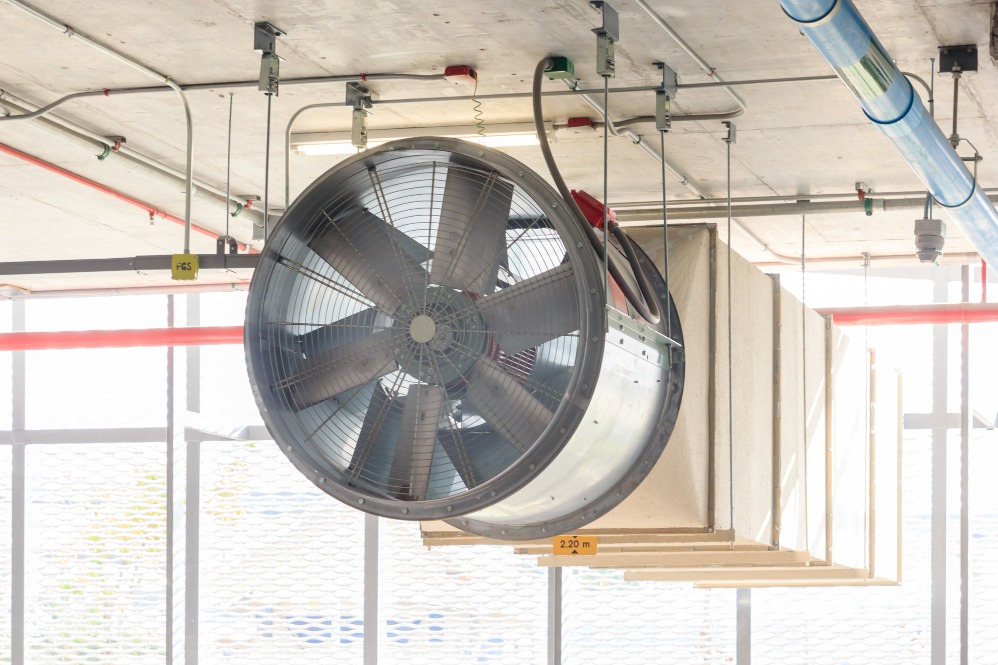
Factories need controlled air movement for worker comfort, process requirements, heat management, and general ventilation. When indoor air becomes hot, stagnant, or affected by ongoing production activity, Fresh Air Blowers can help introduce outside air and support planned air replacement.
The challenge is choosing the correct capacity. Selecting a blower by approximate room size alone can result in either inadequate ventilation or unnecessary power consumption.
Begin With the Purpose of Fresh Air
First determine what the blower is expected to achieve.
Is it intended to:
- Replace exhausted air?
- Improve general factory ventilation?
- Supply air to a production area?
- Reduce stagnant zones?
- Support positive pressure?
- Provide makeup air for an exhaust system?
The answer changes the required design.
A facility with powerful exhaust equipment, for example, may need sufficient makeup air to prevent excessive negative pressure.
Calculate Air Volume Properly
Factory dimensions provide a useful starting point because they establish total internal volume. The required airflow can then be considered according to the desired air-change rate and actual process conditions.
However, volume alone does not account for heat-generating machinery, occupancy, contaminants, or local exhaust systems.
These factors should be reviewed together.
Pressure Matters Too
A fresh air blower connected to long ductwork needs enough pressure to overcome resistance.
Resistance increases with:
- Duct length
- Elbows
- Filters
- Dampers
- Grilles
- Diffusers
- Changes in duct dimensions
Ignoring pressure losses is a common reason why installed airflow falls below expectations.
Look at Air Distribution
Supplying enough air at one point does not guarantee effective factory ventilation.
Air should reach occupied and process areas without creating major dead zones. Outlet location, duct layout, supply velocity, and existing exhaust points all influence circulation.
Delhi manufacturing facilities can vary from compact workshops to larger industrial units across the NCR belt. Existing factory layouts may make duct routing challenging, so equipment selection should account for actual site constraints.
When Is a Facility Ready to Request a Specification?
Before approaching a manufacturer, prepare:
- Factory dimensions
- Required airflow if calculated
- Duct layout
- Static pressure estimate
- Operating hours
- Air temperature
- Installation location
- Available electrical supply
- Details of existing exhaust equipment
Sys Enterprises manufactures industrial air-moving equipment for varied ventilation needs. Providing this information when enquiring about Fresh Air Blowers in Delhi allows the discussion to focus on actual system performance rather than an arbitrary blower size.
Correct fresh-air capacity is ultimately a balance between air volume, pressure, distribution, energy use, and the ventilation conditions the factory needs to maintain.