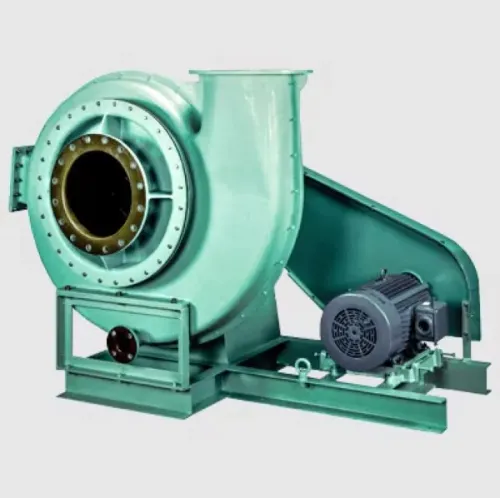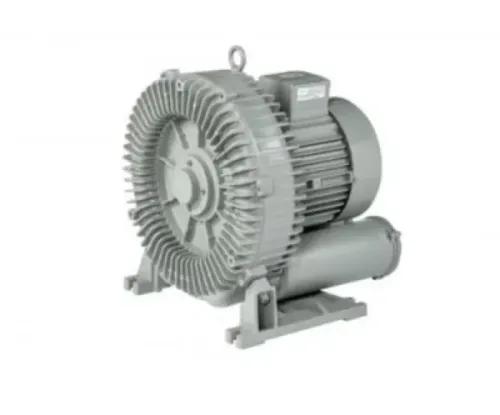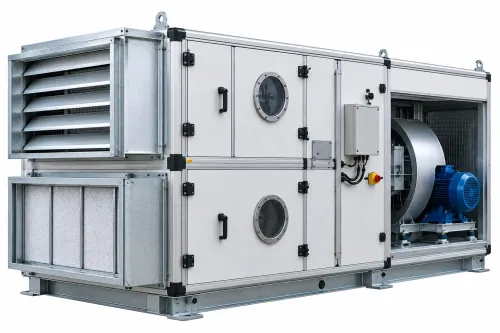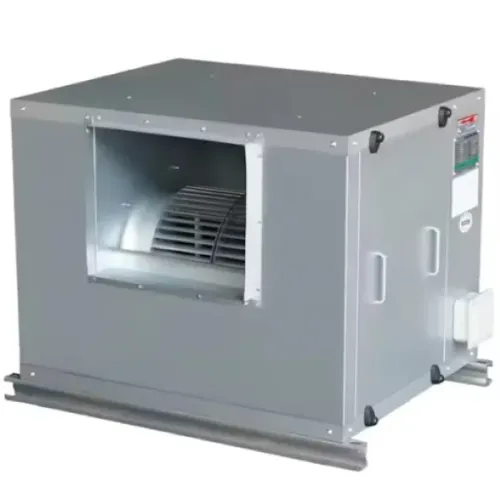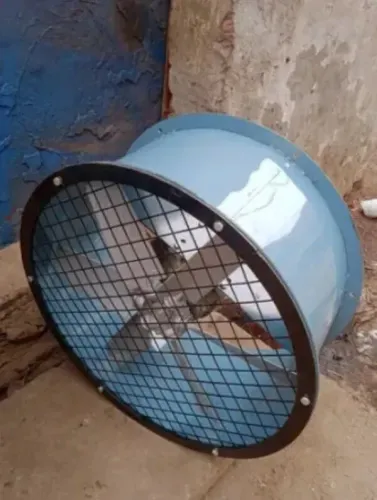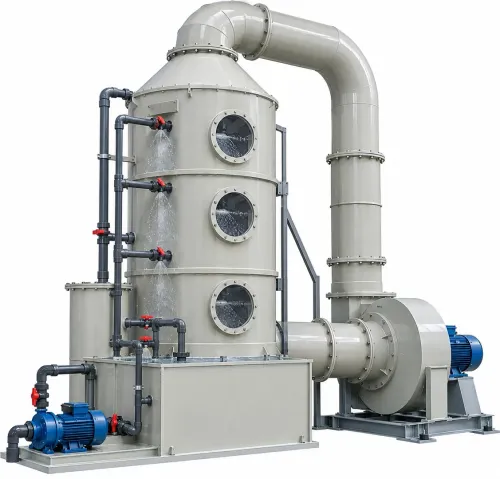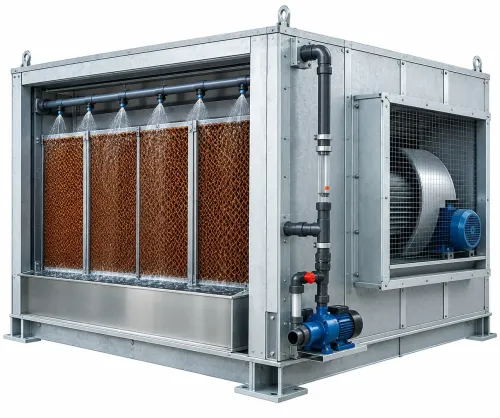
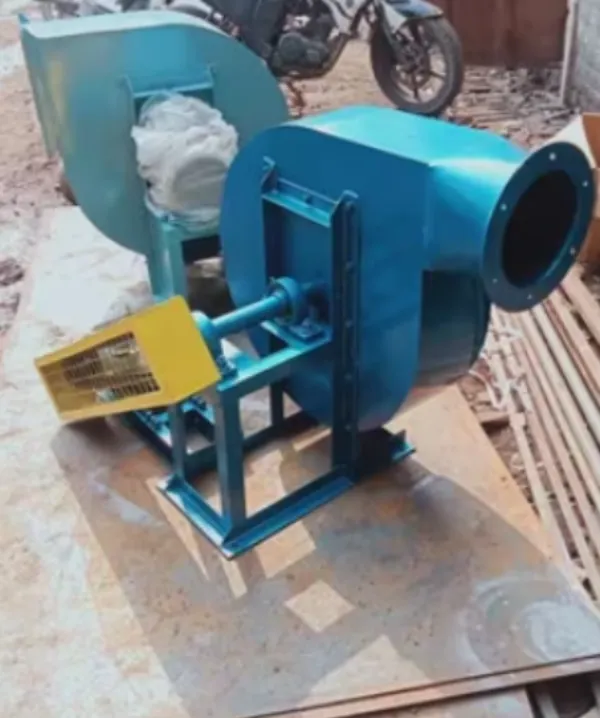
Selecting an industrial blower involves more than determining airflow and pressure. The method used to transfer power from the motor to the blower can influence installation space, maintenance requirements, operating flexibility, and long-term usability. Direct Drive Blowers are often considered where a compact and relatively straightforward drive arrangement is preferred.
Understanding how direct drive construction differs from belt-driven alternatives helps procurement and engineering teams make a more informed choice.
What Is a Direct Drive Blower?
In a direct drive arrangement, the impeller is connected directly to the motor shaft or through a closely coupled configuration. There is no conventional belt-and-pulley transmission between the motor and fan.
This creates several practical characteristics.
Direct drive designs can offer:
- Compact installation
- Fewer transmission components
- No routine belt tension adjustment
- Reduced belt-related maintenance
- Straightforward power transmission
These characteristics can be useful where installation space is restricted or where reducing routine drive maintenance is important.
Where Does Belt Drive Differ?
A belt drive blower uses pulleys and belts to transfer motor power to the fan shaft. This introduces additional components but also provides greater flexibility in adjusting rotational speed through pulley selection.
For some industrial systems, that flexibility is valuable.
The choice therefore should not be simplified to one design being universally better. The right arrangement depends on operating requirements.
Questions That Help With Selection
Consider the following before deciding:
Is space limited?
A direct drive configuration can be attractive for compact installations.
Will operating speed need adjustment?
Belt-driven arrangements may offer greater mechanical flexibility for speed changes.
How important is maintenance access?
Belts require inspection, tensioning, and eventual replacement. Direct drive equipment eliminates those particular maintenance tasks.
What are the operating conditions?
Temperature, dust, continuous duty, vibration, and accessibility can influence the preferred configuration.
What performance point is required?
The final decision still needs to satisfy airflow and static pressure requirements.
Consider the Total Operating Environment
Industrial facilities in Delhi and the surrounding NCR often operate within existing buildings where equipment must fit around production machinery, ducts, structural columns, and utility services. Physical dimensions can therefore become just as important as technical performance.
Maintenance teams should also be involved before equipment selection. A blower that fits physically but leaves inadequate service clearance can become difficult to maintain.
Sys Enterprises manufactures blower solutions for varied industrial airflow applications. When considering Direct Drive Blowers in Delhi, buyers can improve specification accuracy by providing airflow, pressure, installation dimensions, temperature, operating hours, and application details.
The drive arrangement should ultimately support the broader objective: dependable airflow with a maintenance and installation profile appropriate for the facility.
Keywords